
How to create the Tropics Home using Fake Palms?
My Love Affair with Fake Palms
Let me confess something: I have killed more real palm trees than I care to admit. I’ve overwatered them, underwatered them, given them too much sun, not enough sun, and once accidentally left one in a freezing car overnight (RIP, little guy).
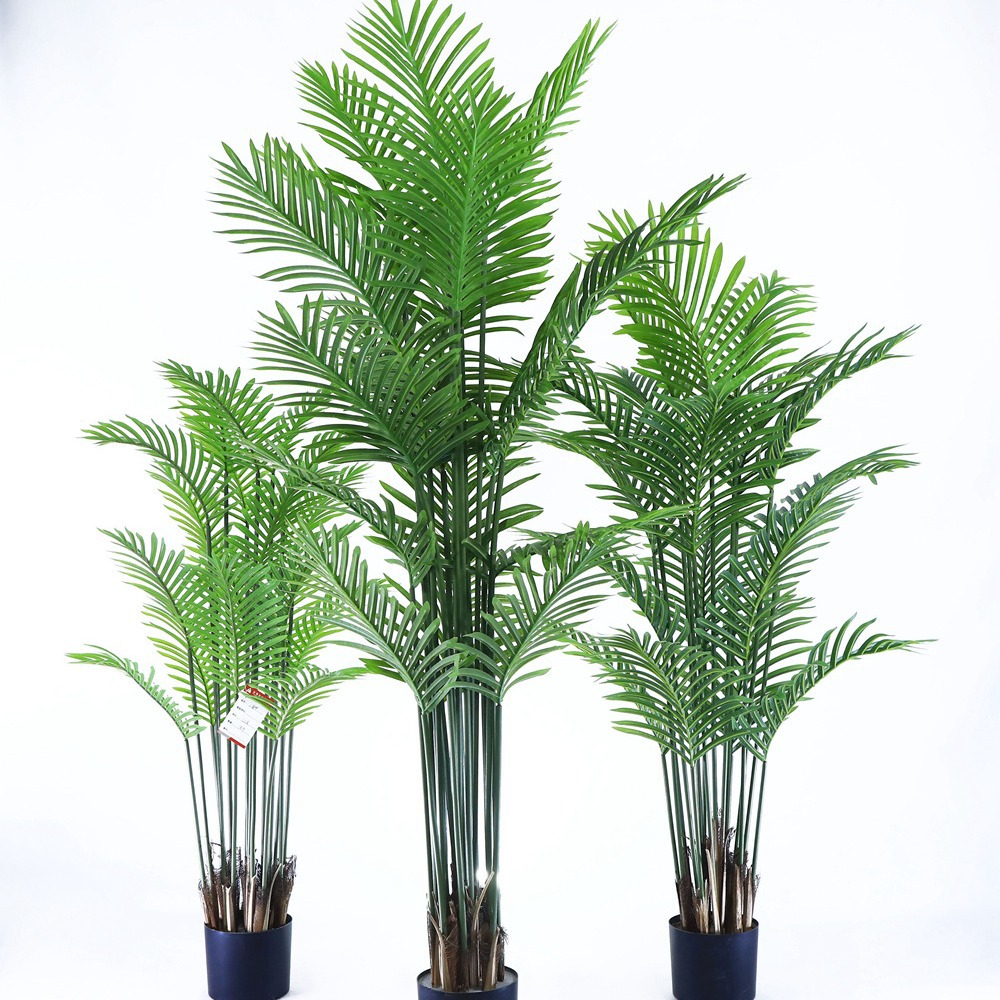
After my fifth palm funeral, I finally surrendered. I bought my first artificial palm tree—a modest 4-foot Areca—and something magical happened. It didn’t die. It didn’t turn brown. It didn’t develop mysterious spots or attract tiny bugs. It just… sat there, looking gorgeous, day after day.
That was the beginning of my obsession. Now, I have artificial palm trees in every room of my house. My living room has a 6-foot Golden Cane. My home office has a compact Sago palm. My bathroom has a little 2-foot fan palm that makes me feel like I’m showering in a resort. And you know what? Not a single one has ever disappointed me.
So, whether you’re a fellow plant-killer looking for redemption, a busy person who wants greenery without the guilt, or just someone who loves the tropical vibe. Let’s dive into the wonderful world of artificial palm trees—the types, the uses, and the secrets to buying one that actually looks real.
Why Fake Palms?
Zero Maintenance: Real palm trees are demanding. They need specific light, precise watering, and constant vigilance against pests. Artificial palm trees? They need occasional dusting. That’s it.
Always in Season: Real palms change throughout the year. Some months they’re lush and green; others, they’re dry and uneven. Artificial palms stay fresh and appealing regardless of the season.
Location Flexibility: Real palms can only grow in certain climates and soil conditions. Artificial palms can be placed anywhere—atriums, poolside zones, rooftop terraces, dark corners, you name it.
Cost-Effective: While the upfront cost might seem high, artificial palms are a one-time investment. No pruning schedules, no irrigation systems, no replacement costs.
Instant Gratification: Real trees take years to grow. Artificial trees arrive ready to impress.
Types of Artificial Palm Trees
Not all palm trees are created equal. Here are the most popular types you’ll encounter, each with its own personality and best uses.
- Areca Palm Trees – The Soft and Inviting All-Rounder
The Look: Slender stems and feathery fronds. The Areca palm is more compact and busier compared to other types.
Why I Love It: It’s the ultimate all-rounder. The soft, warm vibe can elevate a space without being overwhelming. It works in almost any setting.
Best For: Offices, living rooms, and any space that needs a gentle tropical touch.
Size Range: Typically 3 to 7 feet tall.
Fun Fact: Areca palms are sometimes called “golden cane palms” because of their yellowish stems. - Coconut Palm Trees – The Quintessential Tropical Icon
The Look: A curved trunk with bark patterns that look like rings, plus long fronds that arch gracefully outward. Some models even have decorative faux coconuts for added realism.
Why I Love It: It’s the palm tree everyone pictures when they think “tropical paradise.” That summer vibe is perfect for any beach-themed space.
Best For: Resorts, event venues, and any space that needs a relaxed, tropical feel.
Size Range: 3 to 10 meters (10 to 33 feet) for single-trunk varieties.
Pro Tip: Coconut palms are statement pieces. They’re tall, dramatic, and demand attention. Use them where you want a wow factor. - Date Palm Trees – The Structured and Symmetrical
The Look: A thicker, more textured trunk. Date palms are denser and more symmetrical and structured compared to coconut palms.
Why I Love It: There’s something elegant about the structured symmetry of a date palm. It feels formal and intentional.
Best For: Shopping malls, luxury hotels, casinos, and grand entrances.
Size Range: Can reach impressive heights in commercial settings.
Pro Tip: Date palms work beautifully in Mediterranean-themed spaces and formal commercial environments. - Fan Palm Trees – The Bold and Graphic
The Look: Unique leaves that reflect the shape of a fan—broad, dramatic, and attention-grabbing.
Why I Love It: Fan palms are visually striking. The bold, graphic leaves work in both minimalist and maximalist designs.
Best For: Contemporary interiors and artistic spaces.
Size Range: Varies, but often compact enough for indoor use.
Pro Tip: The broad leaves of a fan palm can fill a corner beautifully without making the space feel crowded. - Sago Palm Trees – The Compact and Symmetrical
The Look: A clean, structured form with stiff fronds that radiate evenly from the center. Sago palms are actually a variant of Cycas revoluta—commonly called a palm but technically a cycad.
Why I Love It: The distinct structure and form make a big difference in your space. It’s compact and architectural.
Best For: Entryways, modern interiors, and any space that needs a structured, sculptural element.
Size Range: Typically compact—perfect for tabletops or small corners.
Pro Tip: Sago palms are great for minimalist spaces where a bushy palm would feel overwhelming. - Phoenix Palms – The Coconut Palm Cousin
The Look: Similar to coconut palms but with slightly different frond structure.
Why I Love It: If you want the classic coconut palm look but prefer a slightly different silhouette, Phoenix palms are a great alternative.
Best For: Tropical-themed spaces, resorts, and outdoor areas.
Pro Tip: Phoenix palms often have more robust trunks than coconut palms, making them look sturdier. - Kentia Palms – The Elegant All-Rounder
The Look: Elegant, arching fronds with a refined, sophisticated appearance.
Why I Love It: Kentia palms are the aristocrats of the palm world. They’re elegant without being showy.
Best For: Nearly any setting. They’re great all-rounders that rarely look out of place.
Pro Tip: Kentia palms are particularly popular in hotel lobbies and upscale offices. - Raphi Palm (Rhapis) – The Industrial Favorite
The Look: Darker leaves with a timber-like trunk.
Why I Love It: Raphis palms tend to look great in industrial settings and lighter rooms, making their darker leaves and timber a real focal point.
Best For: Industrial interiors, modern lofts, and spaces with light-colored walls.
Pro Tip: The contrast between dark leaves and light walls is stunning. - Bamboo Palms – The Vertical Statement
The Look: Tall, slender, bamboo-like trunks with feathery fronds.
Why I Love It: Bamboo palms add height and vertical interest without taking up much floor space.
Best For: Narrow corners, hallways, and spaces that need height but have limited width.
Where to Use Artificial Palm Trees?
Artificial palm trees are incredibly versatile. Here are some of the best places to put them.
Indoor Residential Spaces
Living Rooms: A 5- to 7-foot palm in a corner creates a stunning focal point. The Areca or Kentia palm works beautifully here.
Home Offices: A compact Sago or small Areca palm adds greenery without distracting. The soft, warm vibe of an Areca palm can make a workspace feel more inviting.
Bedrooms: A 4-foot palm near a window or in a corner adds a calming, tropical touch.
Bathrooms: Small fan palms or compact Areca palms thrive in the humidity (and look great in photos).
Entryways: A tall, statement palm—like a date or coconut palm—creates a grand first impression.
Commercial Spaces
Hotel Lobbies: Date palms and Kentia palms are favorites for luxury hotels. Their structured, elegant appearance suits formal environments.
Shopping Malls: Tall coconut palms and date palms create a grand, tropical atmosphere.
Restaurants: Areca palms and Kentia palms add warmth without overwhelming the space.
Offices: Areca palms are perfect for office environments. Their soft, inviting vibe can elevate a space without being too overwhelming.
Retail Stores: Any palm can work, depending on the store’s aesthetic. Smaller palms on shelves or larger ones at entrances are both effective.
Outdoor Spaces
Patios and Balconies: UV-resistant palms that can handle sun and wind. Look for models with steel-core trunks for stability.
Poolside: Coconut palms are the classic poolside choice. Their relaxed, tropical vibe is perfect for pool areas.
Gardens: Larger artificial palms can fill gaps in landscaping or create instant tropical zones.
Rooftop Terraces: Lightweight palms (with weighted bases) can transform a rooftop into a tropical oasis.
How to Choose the Right Artificial Palm Tree?
This is the fun part—and the part where most people make mistakes. Here’s my buyer’s checklist.
- Size and Scale
Measure Your Space: This is non-negotiable. Measure your ceiling height and the floor area where the tree will sit.
The Golden Rule: The palm tree should be at least 30–60 cm (1–2 feet) shorter than your ceiling height. For a standard 8-foot ceiling, a 6- to 7-foot palm is ideal.
Don’t Forget Width: A wide canopy requires more clearance. A tree with a 40-inch spread needs a space that can accommodate it.
Indoor vs. Commercial: Indoor palms typically range from 4 to 6 feet. Commercial palms can range from 12 to 20 feet. - Trunk Authenticity
This is the number one giveaway of a fake palm.
What to Look For: Real palm trunks have a rough, fibrous texture with subtle taper from base to crown. Look for trunks with visible bark-like ridges and a matte finish—gloss is the dead giveaway of cheap plastic.
What to Avoid: Budget models often use a single smooth plastic tube painted brown, which catches light uniformly and kills the natural effect.
Premium Option: Mid-range to premium palms wrap a textured polymer around a metal core, creating the segmented nodes and slight curvature of a genuine trunk. - Leaf Material
The Three Contenders:
Polyethylene (PE) : The current gold standard. PE leaves hold color better under indoor lighting, resist dust accumulation, and have a soft tactile feel with a subtle matte sheen. They also have high resistance to UV fading.
Silk: Silk leaves look more elegant but fade quickly in direct sunlight and can tear easily. For a dim indoor corner, silk offers a softer look.
Standard Plastic: Poly-blend plastic leaves feel stiff and tacky to the touch. They often look shiny and fake.
Pro Tip: For outdoor use or near bright windows, always choose PE or a UV-rated material. - Leaf Density and Realism
Check the Frond Count: A six-foot palm with only 12 leaves will look skeletal. Look for models with at least 15 to 20 leaves for a lush, natural silhouette.
Look for Variation: The best trees use natural multi-tone coloring—not a single shade of green across every leaf. Look for fronds with visible variation: darker centers, lighter tips, occasional yellow or brown flecks that mimic natural aging.
Bendable Fronds: Check whether the branches contain bendable metal wire inside. This allows you to shape each frond individually for a more organic, asymmetrical outline rather than a rigid fan shape. - Base Stability
A beautiful palm that tips over is useless.
The Weight Test: A 5- to 6-foot artificial palm creates a significant leverage point at the base. The planter needs enough mass to counterbalance the top.
Hidden Weight: Most quality models inject the nursery pot with cement or sand, adding 8 to 12 pounds of hidden weight.
Minimum Threshold: A 10-pound base is the minimum safe threshold for a 5-foot tree. For a 6-foot tree, the planter diameter should be at least 14 inches.
Removable Planters: Look for removable planters that separate from the pot so you can swap the look without losing stability. - UV Resistance (For Outdoor Use)
This is non-negotiable for outdoor palms.
Why It Matters: Without UV shielding, fronds fade and become brittle within one season.
What to Look For: Confirm UV resistance on the product spec sheet. Look for UV treatment infused into the material, not just a sprayed surface coating that peels off over time.
Maintenance: Plan to reapply UV protective spray annually if the manufacturer’s coating wears over time. - Fire Retardancy
Why It Matters: Some artificial plants are highly flammable. Request fire-retardant fronds and trunk materials, especially if the tree sits near patio heaters, string lights, or in a dry climate. - Assembly and Adjustability
Check the Assembly Process: Some palms arrive ready to display; others require assembly. Make sure you’re comfortable with the process.
Adjustable Fronds: Some artificial palms allow you to bend and adjust the fronds. This can be particularly useful if you want to change the tree’s look or fit it into a specific space.
Fluffing: New artificial fronds arrive packed tight. Shaping them—bending each frond outward and downward into a natural arc—transforms the whole silhouette.
Fake Palms Maintenance Tips
Artificial palm trees are low-maintenance, but they’re not no-maintenance.
Dust Regularly: Use a feather duster or a soft cloth. Dust makes palms look dull and fake.
Wipe Fronds: Every few months, wipe the fronds with a damp cloth to remove built-up grime.
Check the Base: Periodically check that the base is still stable. If the tree wobbles, add weight.
Reapply UV Protection: For outdoor palms, reapply UV protective spray annually if the manufacturer’s coating wears over time.
Fluff After Moving: If you move the tree, take a moment to re-fluff the fronds.
Artificial palm trees are one of the best investments you can make in your space. They bring the tropics home without the guilt, the maintenance, or the heartbreak of watching a real palm slowly wither away.
Whether you choose a soft, inviting Areca for your office, a grand, structured Date palm for your living room, or a dramatic Coconut palm for your poolside, there’s an artificial palm out there with your name on it.
REQUEST QUOTE
Please fill out the form below and a representative will contact you. Thank you.
Sales Manager:Nina
Tel:
+86-19924394700
Email:
leafhometrade@gmail.com