
2026 The Most Popular Artificial Hedges
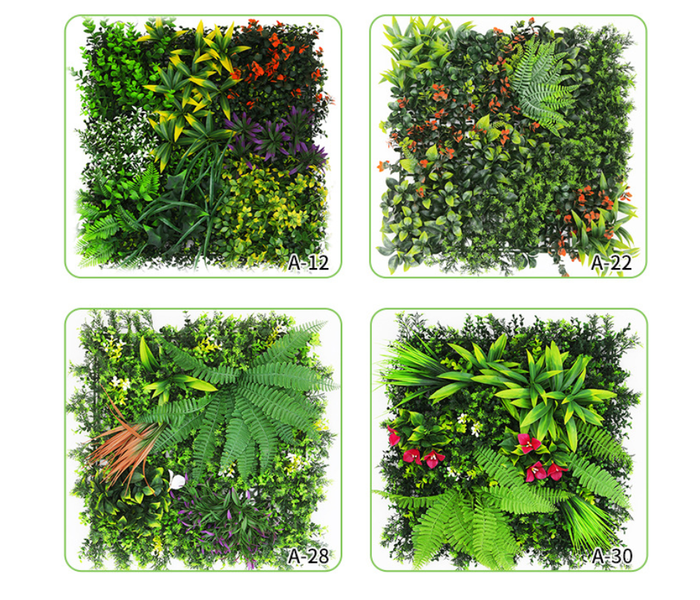
Artificial hedges have become one of the most sought-after solutions for creating privacy, enhancing outdoor spaces, and adding greenery without the endless maintenance that comes with live plants. If you’ve walked through a neighborhood, visited a café, or scrolled through social media lately, you’ve probably noticed something: greenery is everywhere—but it’s not always real. Artificial hedges went from being a “practical alternative” to a genuine design statement. Homeowners, business owners, and even municipalities are embracing them—not because they’re settling for less, but because they’re getting more.
An artificial hedge is a maintenance-free greenery panel made of synthetic foliage, designed to mimic real hedges for privacy, decoration, or space division.
Think of it as a ready-made wall of leaves. These panels are typically made from UV-resistant polyethylene (PE) plastic and attached to a grid backing, which allows them to be easily installed on walls, fences, or freestanding structures.
The quality gap between “cheap fake plants” and “premium artificial hedges” is enormous. In 2026, the best products are almost indistinguishable from the real thing. They use advanced manufacturing techniques—like screen-printed fabric leaves that minimize plastic shine, and multi-tone coloring that mimics the natural variation of living foliage.
Why Are Artificial Hedges So Popular in 2026?
A live privacy hedge is a long-term project. Plant arborvitae this spring, and you won’t have a screen for years. Boxwood grows even slower. But artificial foliage panels remove the waiting game entirely. Because the greenery is manufactured rather than grown, the wall is at full density on day one. Most panels come in large interlocking sections, so a typical suburban fence line can be covered in a weekend without a landscaping crew.
I’ve seen clients tear out struggling hedges that took five years to (almost) grow in, and replace them with artificial panels that look better in one afternoon. It’s not just about convenience—it’s about getting the result you actually want, when you want it.
Here’s the honest truth: most people don’t have the time, knowledge, or energy to care for a real hedge properly. Real plants need watering, trimming, fertilizing, pest control, and seasonal care. They die back in winter, drop leaves in autumn, and sometimes just… die.
Artificial hedges need none of that. An occasional rinse with a garden hose is all it takes. There’s no irrigation to winterize, no brown gaps to explain to the HOA, and no dead shrubs to replace.
One of the biggest selling points in 2026 is year-round curb appeal. Faux foliage stays full and green through winter, when real plants are bare or brown. In regions with harsh winters, this is a game-changer. Quality panels made with UV-inhibited polyethylene are designed to hold their color through summers of direct sun and are unaffected by freeze-thaw cycles that stress live plants.
There’s a growing movement in interior and exterior design called biophilic design—the idea that humans have an innate need to connect with nature. The demand for artificial green wall installations has continued to rise through the first half of 2026, driven by this movement and the growing preference for zero-maintenance greenery in both indoor and outdoor spaces.
In simple terms: people want to feel surrounded by nature, but they don’t want the hassle. Artificial hedges deliver the feeling without the work.
While the upfront cost of quality artificial hedges can be similar to planting a real hedge, the long-term savings are significant. One real-world case study showed that replacing traditional fencing with artificial leaf fencing reduced long-term maintenance costs by 70% compared to wooden or metal fencing. No more rotting wood, no rust, no insect infestations, no chemical treatments.
The Most Popular Types of Artificial Hedges in 2026
- Classic Boxwood Hedges
Boxwood is the go-to hedge for a timeless, sophisticated look. It’s likely the one you’re most familiar with. Boxwood artificial hedges feature dense, small leaves and a deep green hue. Boxwood panels are incredibly versatile. They work as privacy screens, feature walls, elegant garden accents, and even indoor installations. The small, uniform leaves create a clean, structured look that fits both traditional and modern spaces. A convincing artificial boxwood hedge needs at least 400+ leaves per panel to appear full. Sparse foliage reveals the internal frame and looks cheap. Also look for panels with UV protection to prevent fading.
Best for: Privacy screens, feature walls, elegant garden accents, and spaces where you want a polished, manicured look. - Ivy Privacy Screens
Ivy hedges are another top seller in 2026. These feature cascading vine-like leaves that create a lush, natural appearance. Premium green ivy leaf hedges are among the most sought-after artificial leaf fences, particularly in urban and suburban markets. Ivy panels have a more organic, flowing look compared to the structured boxwood. They’re perfect for covering existing fences, creating green backdrops, and adding softness to hard surfaces.
Best for: Covering ugly fences, balcony enclosures, garden borders, and privacy walls. - Bamboo Leaf Fences
Bamboo leaf fences blend traditional Asian aesthetics with modern engineering. Inspired by the elegant curves and vertical rhythm of real bamboo groves, these artificial fences use advanced molding techniques to replicate the fine texture of bamboo leaves with remarkable precision. Bamboo fences offer a unique, exotic look that stands out from standard greenery. They’re lightweight, durable, and create a “forest-like” ambiance. The staggered leaf arrangement allows for optimal airflow, reducing wind pressure and noise pollution by up to 35%.
Best for: Garden pathways, rooftop terraces, hospitality spaces, and areas where you want a distinctive, eco-luxury feel. - Elm Hedges
If you’re after a more dynamic and fuller appearance, elm artificial hedges are a stellar choice. These hedges have broader leaves and a slightly wilder growth pattern, which brings a more organic, free-flowing vibe to any space. Unlike traditional boxwood, elm hedges have a mix of deep and light green tones, making them perfect for contemporary settings. They look less “manicured” and more “naturally lush.” Pair elm hedges with climbing plants or fairy lights for a magical outdoor space.
Best for: Creating a natural feel, balconies, patios, and restaurant or café décor. - Mixed Foliage Walls
This is the biggest trend of 2026: mixing different types of foliage in a single installation. Instead of a uniform wall of one plant type, designers are combining ivy, fern, boxwood, and other textures to create more natural, layered looks. A single plant type can look artificial. Mixing different leaf shapes, sizes, and shades of green creates depth and visual interest that mimics real, untamed nature.
Best for: Feature walls, commercial spaces, and anyone who wants a truly custom look.
What Makes a Quality Artificial Hedge?
Industry buying guides published in January 2026 identified panel density thresholds of at least 1,200 grams per square meter for premium results in commercial and residential feature walls. Below that threshold, the hedge will look sparse and fake. heavier panels = more leaves = better coverage. If you’re installing outdoors, UV protection is non-negotiable. Quality panels use UV-resistant materials and coatings that prevent fading and cracking. Look for products that specifically mention UV protection or “anti-fading” properties. Look for hedges with multi-tone coloring—not just one flat shade of green. Premium products use “dual-color spray technology” and layered foliage design to create natural-looking light and shadow effects. The best ones have subtle variations between leaves, mimicking the natural color differences you’d see on a real plant. Quality panels come with sturdy backing—usually galvanized steel grids with anti-rust polymer insulation. They should be easy to install with zip ties, screws, or interlocking connectors.
Where to Use Artificial Hedges?
The applications for artificial hedges have expanded dramatically.
Backyard Privacy Screens
This is the classic use, and it’s bigger than ever in 2026. In newer developments where houses are built close together, privacy is a top concern. Artificial green walls attach directly to existing fences, walls, or frames, delivering the look of a mature hedge in a single afternoon.
Pool Enclosures
Many townships require pool fencing, but bare aluminum or chain-link looks industrial. Foliage panels turn a code-required barrier into a resort-style green wall. The greenery also provides some shade and creates a more relaxing atmosphere.
Balcony and Patio Gardens
For apartment dwellers and condo owners, artificial hedges are a game-changer. They transform small outdoor spaces into lush green retreats without the challenges of real plants in containers. No soil, no watering, no worry about limited sunlight.
Commercial Spaces
Cafés, restaurants, and hotels are embracing artificial hedges in a big way. Across Australia, café owners who’ve installed artificial hedge walls in their outdoor spaces are reporting better ambience, more repeat customers, a stronger social media presence, and zero gardening bills.
In one notable project, a luxury boutique hotel in Wuxi used bespoke artificial leaf fence panels with integrated LED lighting channels, enabling dynamic ambiance adjustments throughout the day. Guest feedback showed 92% reported enhanced privacy during evening hours.
Covering Ugly Features
Instead of replacing a structurally sound but ugly fence, panels can mount right over it—often for less than the cost of new fencing. They’re also great for hiding trash bins, AC condensers, and generators that otherwise sit in plain view.
Indoor Feature Walls
Artificial hedges aren’t just for outdoors anymore. In 2026, they’re showing up inside homes and offices as living wall alternatives. They create dramatic green backdrops for living rooms, entryways, and office lobbies.
It’s an interesting paradox: artificial hedges are made of plastic, but they can actually be more environmentally friendly than real hedges in some contexts. They require no water, no chemical fertilizers or pesticides, and no replacement every few years when plants die. Over their lifetime, the environmental footprint can be significantly lower than maintaining a real hedge.
REQUEST QUOTE
Please fill out the form below and a representative will contact you. Thank you.
Sales Manager:Nina
Tel:
+86-19924394700
Email:
leafhometrade@gmail.com