
2026 Artificial Succulents Decor Trend
Artificial succulents. And honestly? They’re better. They don’t die, they don’t stretch out looking for light, they don’t drop leaves, and they never, ever need watering. Plus, the best ones look so realistic that even plant experts do a double‑take.
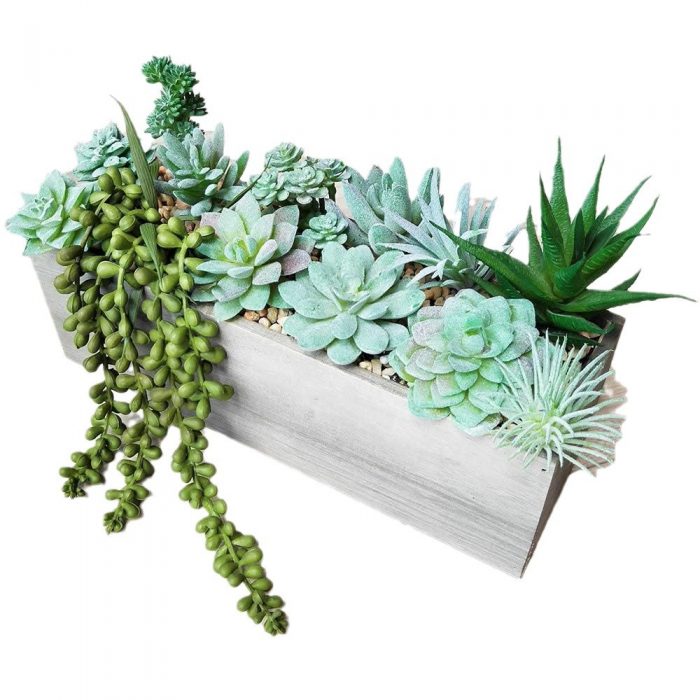
Why Artificial Succulents?
Succulents have been having a moment for over a decade now. They’re everywhere—in offices, homes, weddings, and even as cake toppers. But the real trend? Artificial succulents.
Low Maintenance: This is the obvious one. No watering schedule, no grow lights, no pest control. Dust them occasionally and they look perfect forever.
Consistency: Real succulents change over time. They grow, they stretch, they flower, they die. Artificial ones stay exactly as you bought them—no surprises.
Color Variety: Real succulents come in limited color palettes—greens, purples, and the occasional pink. Artificial succulents come in every color imaginable. You can have a bright red “succulent” that doesn’t exist in nature.
Lighting Flexibility: Real succulents need bright light to maintain their compact shape. Artificial succulents can go anywhere—dark corners, windowless bathrooms, even windowless offices.
They Don’t Stretch: Real succulents “stretch” or etiolate when they don’t get enough light. They become leggy and lose their compact rosette shape. Artificial succulents always look perfect.
Cost‑Effective in the Long Run: A single high‑quality artificial succulent might cost the same as a real one—but you’ll never have to replace it.
The Psychology of Faux
Here’s something interesting: even fake succulents can trigger the same biophilic response as real plants. Our brains don’t always distinguish between real and artificial when it comes to the calming effects of greenery. So you get all the stress‑reducing, mood‑boosting benefits without any of the work.
What Are Artificial Succulents Made Of?
Not all artificial succulents are created equal. The material makes a huge difference in how realistic they look and feel.
Thermoplastic Elastomer (TPE) – The Gold Standard
TPE (Thermoplastic Elastomer) is the premium material for artificial succulents. It’s a rubber‑like plastic that feels soft, flexible, and fleshy—just like a real succulent leaf.
Key Features:
Soft rubber texture: Squeeze a TPE succulent and it compresses just like a real leaf.
Fleshy feel: It’s cool to the touch and has a slight give.
Durability: TPE resists cracking and fading better than cheaper materials.
Why It’s Better: When you touch a TPE succulent, your brain gets confused—it feels so real that you almost expect it to be alive.
PE (Polyethylene) – The Popular Alternative
PE (Polyethylene) is also widely used for artificial succulents, especially for larger varieties or those with a waxy finish.
Key Features:
Highly realistic: PE holds fine details well.
Durable: Resists cracking and UV fading (when stabilized).
Slightly firmer: PE is firmer than TPE, which works well for some varieties.
EVA Foam – The Lightweight Option
EVA Foam is used for budget‑friendly succulents.
Key Features:
Lightweight: Easy to move around.
Soft and squishy: Inexpensive succulents often use EVA foam.
Less durable: Prone to tearing and fading over time.
PVC – The Budget Choice
PVC (Polyvinyl Chloride) is the most common cheap material.
Key Features:
Stiff and shiny: Looks plasticky.
Fades quickly: Without UV protection, PVC fades in sunlight.
Fragile: Becomes brittle over time.
My Verdict: If it feels like a shower curtain, it’s PVC. Keep looking.
Flocking and Surface Finishes
Many artificial succulents feature a flocked finish—a fuzzy surface that mimics the natural powdery coating on real succulents. This is achieved with nylon or viscose short fibers applied electrostatically. A good flocking job feels soft and doesn’t shed.
Types of Artificial Succulents
The Classic Rosette – Echeveria
The most iconic succulent shape. Leaves spiral out from a central point, forming a tight, geometric rosette. Artificial versions come in every color—green, pink, purple, blue—and look stunning in arrangements.
Best For: Centerpieces, desk accents, and fairy gardens.
The Tailed Succulent – Burro’s Tail
Long, trailing stems covered in small, plump leaves that resemble tiny teardrops. Artificial versions capture this delicate, cascading form without the fragility.
Best For: Hanging baskets, trailing over shelves.
The Architectural Agave
Agaves have long, pointed leaves that fan out dramatically. They’re bold, sculptural, and demand attention.
Best For: Entryways, fireplace mantels, and any space that needs a strong silhouette.
The Minimalist Snake Plant
Long, sword‑like leaves that shoot straight upward. The leaves often have striking yellowish edges and a unique pattern.
Best For: Modern interiors, corners near windows or doors, spaces that need height.
The Fleshy Pachyphytum
Plump, chubby leaves with a powdery finish. They often have a soft pinkish or bluish tint.
Best For: Mixed arrangements and terrariums.
The Thorny Cactus
No succulent collection is complete without cacti. Artificial cacti come in every shape—barrel, columnar, prickly pear, and more.
Best For: Western themes, minimalist spaces, and anyone who wants the look of a cactus without the danger of real spines.
The Potted Mixed Succulent Garden
A collection of three to six different succulents arranged together in one container. These are great for instant impact and maximum variety.
Best For: Gift-giving, coffee tables, dining tables.
Where to Use Artificial Succulents
Residential Spaces
Living Rooms: A large mixed succulent arrangement on a coffee table or a dramatic agave on a side table.
Bedrooms: Small succulents on nightstands or windowsills. Their calming, sculptural shape promotes relaxation.
Home Offices: A miniature succulent garden on the desk. Greenery has been shown to boost productivity and reduce stress.
Bathrooms: Succulents look great in bathrooms and are perfect for this high‑humidity, often windowless environment.
Entryways: A dramatic agave or cactus in a beautiful pot makes a bold first impression.
Commercial Spaces
Offices: Succulents are perfect for office spaces. Their modern, sculptural look suits contemporary interiors.
Restaurants: Tabletop succulent arrangements add a stylish touch without getting in the way.
Retail: Succulents are popular in retail displays. They’re eye‑catching and low‑maintenance.
Hotels: Succulents in lobbies and guest rooms add a touch of modern style.
Events and Weddings
Weddings: Artificial succulents are increasingly popular in wedding decor—they don’t wilt, they’re easy to transport, and they can be kept as keepsakes.
Centerpieces: Succulents make stunning centerpieces, whether on their own or mixed with other flowers.
Favors: Mini succulents (or artificial ones) make wonderful wedding favors.
Seasonal and Themed Displays
Fairy Gardens: Mini succulents are perfect for fairy garden displays.
Christmas Decor: Succulents in red and green make festive holiday decorations.
Fall Displays: Succulents in warm hues—like brown, orange, and yellow—add texture to autumn decor.
Artificial Succulents Maintenance
Dust Regularly, Use a soft brush or feather duster to gently remove dust from the leaves. A dusty succulent looks dull and fake.
Clean Periodically, Every few months, wipe the leaves with a damp cloth (or a slightly damp cloth) to remove built‑up grime. Avoid getting moisture into any exposed foam or glue.
Avoid Direct Sunlight, Even though they’re fake, strong sunlight can cause colors to fade over time. Position them in indirect light or choose UV‑resistant options for sunny spots.
Check the Base, Periodically check that the succulent is still securely attached to its base. If it wobbles, a drop of cyanoacrylate / super glue can fix it.
Fluff and Adjust, If the succulent has bendable stems, take a moment to adjust the position of the leaves. This keeps the arrangement looking natural.
Reapply UV Protection, If your succulent is placed in a sunny spot and has a UV coating, consider reapplying UV protective spray annually to maintain its color.
Artificial succulents have come a long way from the plastic‑looking versions of the past. Today’s high‑quality succulents are virtually indistinguishable from the real thing—and they come with none of the maintenance headaches.
Whether you’re a plant killer, a busy professional, or just someone who loves the look of succulents, artificial succulents offer the best of both worlds: the beauty of nature without the work.
REQUEST QUOTE
Please fill out the form below and a representative will contact you. Thank you.
Sales Manager:Nina
Tel:
+86-19924394700
Email:
leafhometrade@gmail.com